You play a key role in ensuring safety when you handle industrial turnbuckle installation and safety. Even a single oversight or common mistake can lead to serious risks for your team and equipment.
Powerful Machinery’s turnbuckle products help you achieve reliable results in demanding environments. You gain peace of mind by choosing hardware that meets strict safety standards.
Key Takeaways
Choose the right size and material for turnbuckles to prevent bending and deformation.
Always respect the working load limit to avoid sudden failures and ensure safety.
Check thread engagement and alignment to maintain stability and prevent accidents.
Use proper locking mechanisms to secure turnbuckles and prevent accidental loosening.
Conduct regular inspections and maintenance to extend the life of your turnbuckles.
Choosing the Wrong Size or Material for Turnbuckles
Risks of Incorrect Sizing and Material
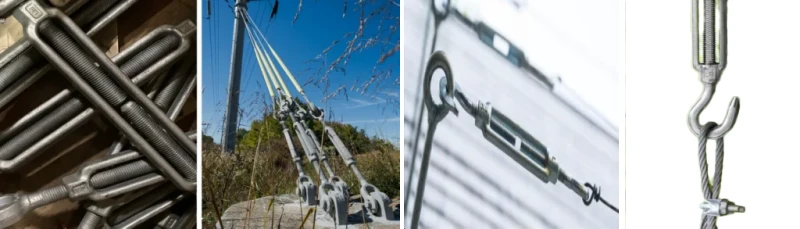
When you select industrial turnbuckles, choosing the wrong size or material can lead to serious consequences. Many common turnbuckle problems start with improper sizing. If you use a turnbuckle that is too small, it may bend under force or deform over time.
Oversized hardware can also create issues, such as improper tension and misalignment during installation. The table below highlights the most frequent risks you face when the size or material does not match your application:
Risk Type | Description |
|---|---|
Bending under force | The turnbuckle may bend if the size is incorrect or if the material is of low quality. |
Long-term deformation | Prolonged stress can cause deformation, especially with poor material selection. |
Unexpected failure | The turnbuckle can fail unexpectedly under extreme conditions if not properly sized or made. |
Reduced load-bearing capacity | Corrosion and poor material quality can lower the load-bearing capacity. |
Safety hazards | Using the wrong size creates serious safety risks in industrial applications. |
You also risk premature failure of components, increased maintenance costs, and potential safety hazards. These common turnbuckle problems can disrupt your operations and put your team at risk.
Selecting the Right Turnbuckle
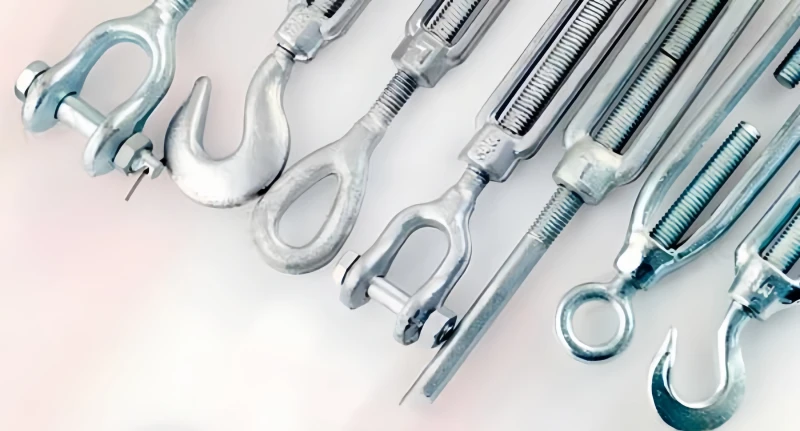
You can avoid these issues by following clear guidelines for selecting industrial turnbuckles. Start by calculating the working load limit for your project. Match the size and type of heavy-duty turnbuckles to your application’s material, load capacity, and thread type.
Confirm that all hardware is compatible, including thread size and environmental performance. Always verify certifications and safety features before installation.
Tip: Stainless steel turnbuckles work best in marine or high-moisture environments, while galvanized carbon steel offers cost-effective corrosion resistance for many industrial settings.
The table below outlines the main factors you should consider:
Factor | Description |
|---|---|
Stainless steel is preferred for marine use; carbon steel is cost-effective but needs maintenance. | |
Load Requirements | Ensure turnbuckles meet working load limits for heavy-duty jobs. |
Certifications | Look for ANSI and ISO compliance for safety and quality assurance. |
Application Type | Heavy-duty construction projects require high strength and certified safety standards. Marine uses demand corrosion-resistant materials. |
Safety Standards | Compliance with standards like ASME B30.26 ensures safety and quality. |
Powerful Machinery’s industrial turnbuckles meet strict international standards, including ASME, CE, ISO, and EAC certifications. These certifications confirm that each heavy-duty turnbuckle delivers strength, durability, and reliability. You gain confidence knowing your hardware will perform safely in demanding environments.
By following these guidelines, you reduce the risk of common turnbuckle problems and ensure long-term safety for your team and equipment.
Industrial Turnbuckle Installation and Safety: Load Limits and Overloading
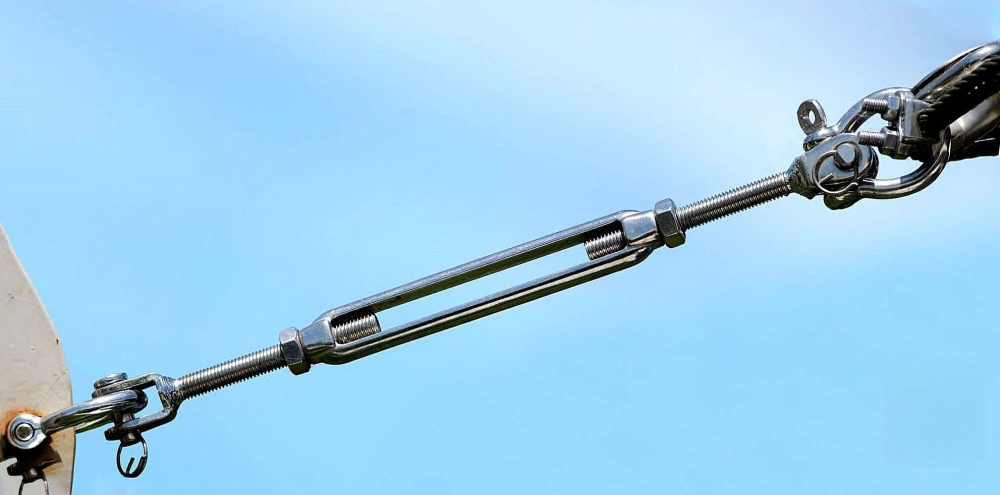
Dangers of Exceeding Load Limits
You must understand the risks when you ignore the working load limit during industrial turnbuckle installation and safety. Exceeding the rated load can cause sudden failures, which threaten both equipment and personnel.
When you overload a turnbuckle, you increase the chance of unpredictable load shifts and catastrophic accidents. Many industries require strict adherence to safety standards, so you must follow the working load limit to stay compliant and protect your team.
Preventing accidents starts with respecting the working load limit.
Operating within rated limits extends the lifespan of your hardware.
Regulatory compliance ensures legal operations and team safety.
If you push turnbuckles beyond their capacity, you risk premature wear, costly replacements, and dangerous load-securing failures. You must always check the load chart before installation. The chart below shows typical working load limits for common turnbuckle sizes:
Thread Diameter | Working Load Limit (lbs) | Typical Take-Up (Inches) |
|---|---|---|
1/4″ | 500 | 4″ |
3/8″ | 1,200 | 6″ |
1/2″ | 2,200 | 6″ |
5/8″ | 3,500 | 6″ – 12″ |
3/4″ | 5,200 | 6″ – 18″ |
1″ | 10,000 | 6″ – 24″ |
1-1/2″ | 21,400 | 12″ – 24″ |
2″ | 37,000 | 24″ |
Ensuring Proper Load Capacity
You can maintain proper load capacity during industrial turnbuckle installation and safety by following a clear set of procedures. Start with a pre-job checklist. Verify the load chart, permits, and certifications. During installation, distribute the load evenly and secure all hardware according to ASME B30.5 standards.
After the job, power down systems and perform maintenance checks. If you encounter errors, report incidents and refine your procedures.
Procedure | Description |
|---|---|
Pre-Job Checklist | Verify load chart, permits, and certifications are in place. |
Rigging Configuration | Distribute loads evenly and secure all hardware according to ASME B30.5. |
Post-Job Shutdown | Power down systems and perform maintenance checks. |
Error Handling | Report incidents, assess damage, and refine procedures. |
Tip: You should always use certified turnbuckles from Powerful Machinery to ensure reliable load securing and maximum safety. Following these steps helps you avoid sudden failures and maintain the integrity of your installation.
Thread Engagement and Alignment in Industrial Turnbuckles
Consequences of Poor Thread Engagement
You must pay close attention to thread engagement when installing turnbuckles. If you do not fully engage the threads, you risk serious safety issues. Poor thread engagement can cause the threads to strip or shear under load. This leads to sudden failure of the turnbuckle.
You may see the hardware separate or the load drop without warning. These failures can damage equipment and put your team in danger.
You also lose stability in your rigging system when threads are not properly engaged. The connection becomes weak and cannot handle the expected load. You may notice increased movement or shifting in the system.
This instability can cause misalignment and further stress on other components. Always check that the threads are fully engaged before applying any tension.
Best Practices for Alignment
Proper alignment is essential for the safe and effective use of turnbuckles. You can follow these best practices to achieve correct alignment and maintain stability in your installation:
Make sure the turnbuckle is level when you attach it to the tread bracket.
Insert the wings through the slot at the end of the bracket.
Lower the foot end of the turnbuckle to the substrate and adjust its length. Keep the angle at a maximum of 45 degrees to the post.
Check that the turnbuckle is square to the wall by visual inspection.
You should always inspect the alignment before tightening. A misaligned turnbuckle can create side loading, which reduces stability and increases the risk of failure. Take time to adjust each component so that the load pulls in a straight line. This practice helps you achieve a secure and reliable installation.
When you follow these steps, you protect your equipment and ensure the safety of your team.
Over-Tightening or Loosening Mid-Load
Risks of Over-Tightening
You must avoid over-tightening or loosening mid-load when working with turnbuckles. Applying too much tension can cause serious problems in your rigging system. When you over-tighten, you put extra stress on the threads and body of the turnbuckle. This stress can lead to hardware failure and damage to the load.
Most turnbuckles are designed to operate in a specific way. So, when they aren’t used correctly, they won’t work as intended. For example, overtightening the turnbuckle hardware may cause it to fail, leading to load damage.
You may also see deformation or stripping of the threads. This weakens the connection and increases the risk of sudden failure. If you adjust turnbuckles while under load, you can lose control of the tension. This mistake can cause the load to shift or drop, creating a dangerous situation for your team.
Always check the manufacturer’s guidelines for proper tension and never exceed the recommended limits.
Maintaining Correct Tension
You can maintain proper tension in your turnbuckle system by following a step-by-step process. Start by fully extending both end fittings from the turnbuckle body. Attach one end to a solid anchor point. Secure the other end of your cable or rod.
Rotate the central body to draw the ends together, increasing tension slowly and evenly. If your turnbuckle includes lock nuts, tighten them against the body to secure the adjustment.
Unscrew both end fittings from the turnbuckle body until fully extended.
Attach one end to the anchor point.
Extend and secure the other end.
Rotate the central body to increase tension slowly and evenly.
Tighten lock nuts if available.
You should always use turnbuckles in straight pull, in-line applications. Never use them in side-load situations. Make sure all anchor points are solid and can handle the applied tension. Tighten lock nuts or use safety wire to prevent the turnbuckle from rotating under vibration or load.
Regular maintenance is also important. Research shows that improper installation or overlooked maintenance can reduce load capacities by over 30%. Nearly 40% of rigging accidents come from missed maintenance checks. By following these steps, you ensure proper tension and reduce the risk of failure in your rigging system.
Locking Mechanisms for Turnbuckles
Preventing Loosening
You must secure every turnbuckle installation to prevent accidental loosening. Failing to use locking mechanisms can lead to dangerous shifts in tension, especially in environments with constant vibration or movement. When a turnbuckle loosens, you risk sudden load release and equipment failure.
You protect your team and assets by using proper locking methods.
Powerful Machinery offers turnbuckles with advanced locking features. You can choose models with lock nuts or safety wire options. These features help you maintain tension and prevent rotation during operation. Each product meets strict international standards, so you can trust its performance in critical applications.
Powerful Machinery’s turnbuckles meet top certifications, including ISO9001, TUV, OSHA, and DNV.
These certifications ensure strict quality control and reliable safety features.
Recommended Locking Methods
You have several effective ways to lock a turnbuckle and keep your system secure. The most common methods include lock nuts, safety wire, and cotter pins. Lock nuts thread onto the ends of the turnbuckle and hold them in place after you set the tension. Safety wire provides extra security in high-vibration areas.
You wrap the wire through the turnbuckle and anchor points, then twist it to prevent movement.
Safety wire must be installed on non-self-locking nuts, bolts, and turnbuckles in areas subject to high vibration.
You can use single- or double-twist methods to ensure tension and prevent slippage.
You should always follow the manufacturer’s instructions for each locking method. Powerful Machinery supplies detailed guidance for proper installation. By using certified locking mechanisms, you reduce the risk of accidental loosening and extend the life of your rigging system.
Tip: Always inspect locking devices during routine maintenance. Replace any worn or damaged parts immediately to maintain safety and reliability.
Side Loading and Misalignment
Hazards of Side Loading
You must always avoid side loading when working with turnbuckles. These devices are engineered to handle straight-line tension only. If you apply force from the side, you reduce their load capacity and create a dangerous situation. Side loading can cause the turnbuckle to bend, deform, or even break during use.
This risk increases in industrial settings where heavy loads and constant movement are common.
Turnbuckles that experience side loading may fail without warning. You could see sudden drops or shifting loads, which threaten both equipment and personnel. Many accidents in rigging and lifting operations result from improper loading angles.
When you ignore the correct alignment, you put your entire system at risk. Always remember that turnbuckles are not designed to handle forces from multiple directions.
Note: Turnbuckles are designed to handle straight-line tension. When subjected to side loading, their capacity is significantly reduced, which can lead to potential hazards such as failure or accidents during operation.
Ensuring Straight-Line Pulling
You can prevent misalignment and side loading by following a few best practices. First, inspect your setup before applying any tension. Make sure the turnbuckle lines up perfectly with the direction of the load. Use visual checks and measuring tools to confirm alignment.
If you notice any angle or offset, adjust the anchor points until everything is straight.
Always install the turnbuckle so the load pulls directly along its axis.
Avoid using turnbuckles in applications where the load path changes or shifts.
Check for obstructions or uneven surfaces that might force the hardware out of line.
Routine inspections help you catch misalignment early. If you see any bending or unusual wear, stop and correct the problem before continuing. Straight-line pulling keeps your rigging system safe and extends the life of your equipment.
By following these steps, you ensure reliable performance and protect your team from preventable accidents.
Thread Wear and Damage in Industrial Turnbuckles
Identifying Thread Wear
You need to inspect your turnbuckle regularly to catch early signs of thread wear. Ignoring thread wear can lead to sudden failure and unsafe conditions. When you check the threads, look for these common signs:
Threads appear damaged, worn, or stripped
You notice insufficient thread engagement
The thread condition shows visible signs of wear or deformation
If you see any of these issues, stop using the hardware until you can assess the damage. Early detection helps you avoid unexpected breakdowns and keeps your rigging system safe.
Tip: Always use a flashlight and magnifier for close inspection. Small defects can hide in the grooves of the threads.
Preventing and Addressing Damage
You can prevent thread damage by following best practices during installation and maintenance. Always clean the threads before use and apply proper lubrication if recommended. Avoid cross-threading when assembling the components. Never force the fittings if they do not turn smoothly.
If you find excessive thread damage or wear, remove the turnbuckle from service right away. Only a qualified person should approve it for reuse after a thorough inspection. This step ensures that your equipment remains reliable and safe for every job.
Remove hardware from service if you see excessive thread damage or wear
Return hardware to service only after approval by a qualified inspector
Regular inspections and prompt action help you extend the life of your rigging equipment. You protect your team and maintain high safety standards by addressing issues as soon as they appear.
Inspection and Maintenance for Turnbuckles
Routine Checks and Cleaning
You need to keep your equipment in top condition to ensure safety and performance. Routine inspections help you spot problems before they become serious. Before each use, conduct a thorough visual inspection. Look for any signs of damage or wear.
Measure the dimensions to confirm they match the manufacturer’s specifications. Check for excessive wear that could affect performance. Assess the zinc coating for uniformity and thickness. This step helps prevent corrosion and extends the life of your hardware.
Perform tensile testing on a regular schedule to verify load-bearing capacity. If you find any issues during inspections, remove the turnbuckle from service right away.
Inspect for visible damage or wear before every use.
Measure and compare dimensions to manufacturer guidelines.
Check zinc coating for even coverage and proper thickness.
Schedule tensile tests to confirm load capacity.
Remove from service if any problems are found.
Routine inspections and cleaning are essential for reliable operation. Clean your turnbuckles regularly to remove dirt, grease, and other contaminants. This practice helps prevent corrosion and keeps your equipment ready for use.
Maintenance Steps for Performance
You can maintain high performance by following a few simple steps. Clean all surfaces to prevent buildup that can cause corrosion. Lubricate the threads to reduce friction and make adjustments easier.
Inspections before each use help you catch issues early and avoid unexpected failures. Powerful Machinery recommends these steps as part of its commitment to quality and safety.
Clean surfaces to prevent rust and buildup.
Lubricate threads for smooth operation and reduced wear.
Inspect before every use to ensure safe performance.
By following these maintenance steps, you protect your investment and ensure consistent performance. Regular care extends the life of your equipment and supports safe, efficient operations.
Powerful Machinery’s focus on quality and safety means you can trust their products to deliver reliable performance in every application.
Choosing Reliable Suppliers for Industrial Turnbuckles
Importance of Supplier Quality
You need to choose a supplier who puts quality first. The right supplier helps you avoid costly mistakes and keeps your team safe. When you select a supplier, you should look for several important factors:
Load capacity that matches your project needs
Correct size and thread type for your wire ropes and anchor points
Enough adjustability and length for your tensioning requirements
Safety features that prevent accidental loosening
Products that meet industry standards for your application
A manufacturer with a strong reputation for quality
A reliable supplier will always provide documentation and certifications. You should expect clear information about product testing and compliance. High-quality suppliers also offer support and guidance for your specific project. They help you make the best choices and avoid installation errors.
When you focus on quality, you protect your investment and ensure long-term performance.
Selecting Powerful Machinery Turnbuckles
You can trust Powerful Machinery to deliver the highest level of quality in every turnbuckle. The company has over 20 years of experience serving demanding industries. Powerful Machinery uses only premium materials like stainless steel and drop-forged steel.
Each product meets or exceeds international standards, including ISO9001 and TUV Rheinland.
You benefit from strict quality control at every stage of production. Powerful Machinery provides full traceability and detailed certifications for all turnbuckles. The company’s commitment to quality means you receive products that perform reliably in harsh environments.
You also gain access to expert support and custom solutions for unique applications.
When you choose Powerful Machinery, you know your turnbuckle will meet your load, safety, and durability requirements. You can count on consistent quality, fast delivery, and responsive service. Powerful Machinery stands out as a trusted partner for all your rigging and lifting needs.
Conclusion
You can achieve long-term stability and safety by avoiding common mistakes during turnbuckle installation. Focus on these critical points:
Choosing the wrong size or material increases the risk of failure.
Over-tightening or loosening mid-load reduces long-term stability.
Ignoring thread wear leads to sudden breakdowns.
Failing to use locking mechanisms compromises security.
Powerful Machinery’s certified turnbuckle solutions meet ISO9001 and TUV Rheinland standards, supporting long-term performance. You benefit from direct pricing, customization, and expert support. Trust Powerful Machinery to deliver reliable products and guidance for every project.
Certification/Standard | Description |
|---|---|
ISO9001 | International standard for quality management. |
TUV Rheinland | Ensures product safety and reliability. |
FAQ
What is the best way to determine the correct turnbuckle size for my project?
You should calculate your required working load limit and match it to the turnbuckle’s rated capacity. Always check the manufacturer’s specifications and certifications. If you have doubts, consult Powerful Machinery’s technical team for expert guidance.
How often should I inspect industrial turnbuckles?
You need to inspect turnbuckles before every use and schedule regular maintenance checks. Look for signs of wear, corrosion, or thread damage. Frequent inspections help you catch problems early and maintain safety.
Can I use turnbuckles outdoors or in marine environments?
Yes, you can use turnbuckles outdoors or in marine settings. Choose stainless steel models for maximum corrosion resistance. Powerful Machinery offers turnbuckles specifically designed for harsh environments.
What locking methods does Powerful Machinery recommend for turnbuckles?
Powerful Machinery recommends lock nuts, safety wire, or cotter pins. These methods prevent accidental loosening. Always follow the installation instructions provided with your turnbuckle for the best results.