A rated-capacity label and a low price tell you little about how a lever hoist will perform in your application. Compare the exact model’s lift, operating effort, chain and hook dimensions, brake design, and available documents. If you buy for distribution, an OEM program, or an industrial project, ask each supplier how it builds and inspects the model it proposes.
In many markets, buyers use “lever block” for a manual lever hoist. Names vary, so specify the load, movement, and working environment before comparing offers from lever block manufacturers. The sections below cover the components, production checks, and records worth reviewing. To discuss a model, send your lever hoist RFQ with the required capacity, lift, quantity, application, and destination market.
Lever Hoist vs. Lever Block: Are They the Same?
In many catalogues, “lever hoist,” “lever block,” and “lever chain hoist” refer to a manually operated hoist with a ratcheting handle, load chain, gearing, and a load brake. The terms overlap, but a name alone does not identify the model or its permitted use. Check the product drawing and instructions before treating two quoted units as equivalent.
A chain block, or hand chain hoist, uses a separate hand chain instead of a lever handle and is generally used for vertical lifting from a suitable overhead support. Depending on its instructions and rigging arrangement, a lever hoist may also serve for tensioning or positioning. Pulling capability does not mean you can side-load a hook. If you are comparing these tools, see lever hoist and chain block and what a lever hoist is.
Your RFQ should state the working load limit (WLL), required lift, number of load-chain falls, attachment points, and intended direction of movement. Add a drawing when headroom, handle travel, or access is limited. These details help the supplier quote the right configuration.
What Should You Evaluate in a Lever Hoist Manufacturer?
Give every supplier the same application brief. Compare the proposed model, load-bearing parts, manufacturing controls, inspection records, documentation, OEM scope, and service terms. Also establish whether the seller is the manufacturer, brand owner, authorized distributor, or trading company. That tells you who can approve a design change and provide the records you need.
Product Range and Rated Capacity
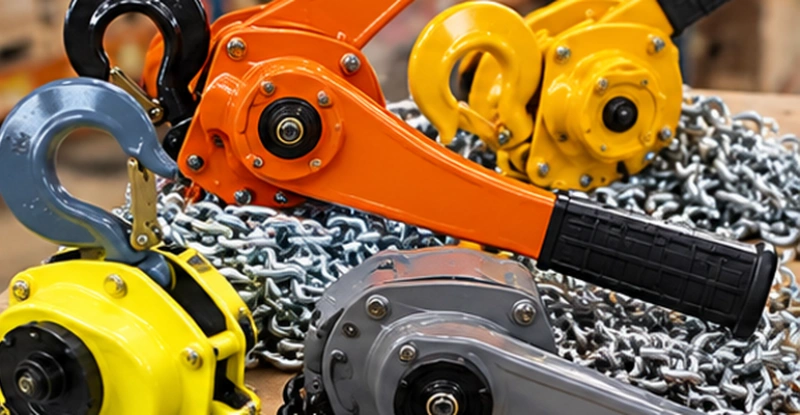
Powerful Machinery’s current catalogue lists VA and VL lever hoists from 0.75 to 9 t. VA models are listed at 0.75, 1.5, 3, 6 and 9 t; VL adds a 1 t option. Both series list a standard lift of 1.5 m. If you need a longer lift, request the corresponding chain length, weight, and revised quotation for the exact model.
Check operating effort at rated load, chain diameter and number of falls, minimum hook-to-hook distance, handle length, net weight and package size. A higher-capacity unit may be heavier or need more clearance. For lighter, compact work, compare a separate mini lever hoist against your application. Capacity alone does not settle the choice; the load and lifting arrangement must also be suitable.
Load Chain Quality
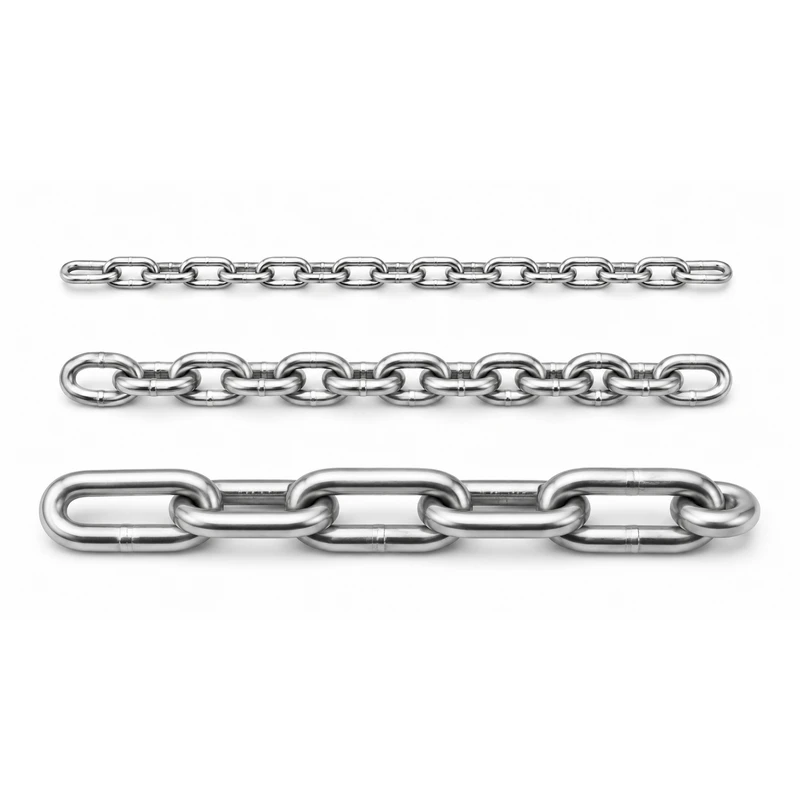
The load chain must match the hoist’s load sheave and approved configuration. Ask for link diameter, pitch, chain designation, number of falls, and the replacement part number. An apparently similar chain can bind or engage incorrectly if its dimensions differ. Chain grade alone does not establish compatibility with a particular hoist.
Ask how the supplier checks chain dimensions and screens for damage before assembly and shipment. Heat treatment and surface finish are worth discussing, but verify the specification for the chain fitted to your model. Our lifting chains category covers related products; use the hoist manual to identify its approved replacement chain.
Hooks and Safety Components
Check upper and lower hooks, latches, pivots, and connecting parts against the model drawing. Ask which replacement assemblies the supplier approves. Cracks, twisting, deformation, unusual hook opening or a damaged latch require assessment under the manufacturer’s inspection criteria. A latch helps retain the attachment in the hook bowl; it does not raise the rated capacity or permit side loading.
Ask how the supplier checks hook assemblies during production and final inspection. If your order also includes lifting hooks or shackles, confirm each item’s rating and geometry for the planned rigging arrangement.
Brake and Transmission System
The brake, ratchet, pawls, friction parts, gears, and shafts affect controlled movement and load holding. The VA/VL catalogue describes a double-pawl brake, a Weston-style automatic load brake, and heat-treated steel plates, gears and shafts. Ask for the exact model instructions and the inspection and test criteria behind these descriptions.
An unloaded demonstration can reveal rough chain travel, unusual noise, or a selector problem. It cannot establish how the brake holds under the specified test load. Compare the published operating effort and ask how the supplier handles slipping or jamming. Where the model has a free-chain function, use it only as the instructions permit and never with a suspended load.
Manufacturing, Documentation and Support
Ask which processes the supplier performs or controls and how it identifies components and completed units. Dated production records, a factory visit, or a sample inspection record may help you assess its controls. If subcontractors make critical parts, clarify who sets their specifications and inspects incoming deliveries.
Request the current specification sheet and manual, marking details, applicable inspection or test records, and written terms for parts and service. Confirm who handles warranty claims and repairs in your market. A supplier need not perform every operation in-house, but it should identify who is responsible for the finished hoist and its records.
For ongoing distribution, ask whether replacement hooks, latches, brake parts, and chains can be identified by model and revision. Confirm who may install them and what inspection follows a repair. Similar-looking parts from another series may not be interchangeable.
How Lever Hoists Are Manufactured
The production stages below show where to request evidence. Exact steps and checks vary by model, so ask for the process and records that apply to the hoist you intend to purchase.
Raw Materials and Forming
Housing parts may be formed from steel sheet, while selected load-bearing components undergo forging or casting before machining. Ask which materials and incoming checks apply to the quoted model, particularly its chain, hooks, and other critical parts. Paint cannot show whether the underlying part meets its specification.
Machining and Heat Treatment
Gears, shafts, and mating parts need controlled dimensions to engage correctly. Depending on the part, the factory may turn, mill, cut gears, or grind surfaces. Ask how it measures critical dimensions and deals with parts outside tolerance. Poor fit can cause binding, uneven operating effort, or premature wear.
Heat treatment gives specified parts their required properties. The method and acceptance limits depend on the drawing. Ask which components are treated and how the factory verifies the result; a broad statement that “all parts are hardened” does not answer either question.
Surface Treatment and Sub-Assembly
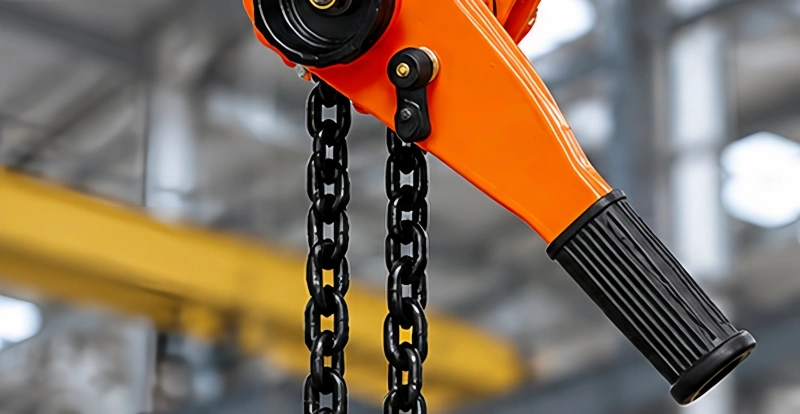
Cleaning and coating protect exposed parts. Ask which surfaces receive paint, plating, or another treatment, and whether that finish suits your working environment. Do not assume a standard finish is suitable for continuous salt exposure or another aggressive condition.
During sub-assembly and final assembly, operators fit the transmission, brake, handle, hooks, and chain. Part orientation, fasteners, lubrication, and chain-to-sheave compatibility need attention. Ask how the factory checks these points before closing the housing.
Final Assembly, Inspection and Testing
After assembly, check chain travel, handle and selector operation, hooks and latches, markings, and brake response. The applicable load test needs a stated method, load, and acceptance criteria. Request the procedure and record for the quoted model; do not assume a single proof-load value applies to every series or order.
How Should a Lever Hoist Manufacturer Control Quality?
Quality control should connect a particular model or shipment to its checks. Ask which parts are inspected on arrival, which assembly steps are checked, who releases the finished unit, and what happens if it fails. A photo of a hoist on a test rig does not establish the applied load or the result.
Hook, Latch, Housing and Handle Inspection
Inspect hooks for cracks, twisting, deformation, or unusual opening, and confirm that latches move and close properly. Check the housing, fasteners, and handle for visible damage. The nameplate should show a readable model and rated capacity. Use the applicable manual and inspection procedure for rejection limits.
Load Chain Inspection
Inspect the load chain for cracks, corrosion, wear, deformation, stretched links, twists and damaged welds. Check that it travels through the hoist smoothly. Ask which dimensions the supplier measures and how it confirms the fitted chain matches the approved model. Keep replacement chains identified by series and part number. Our lever hoist inspection checklist covers receiving and in-use checks.
Functional, Load and Brake Tests
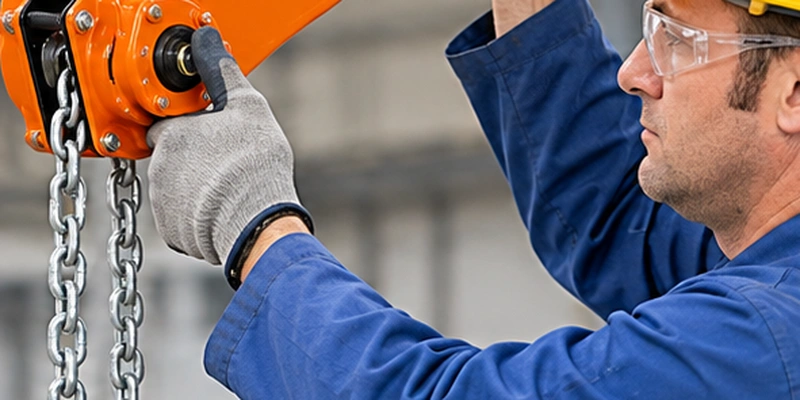
An unloaded functional check covers the UP/DOWN selector, handle movement, chain travel, free-chain operation where fitted, and abnormal noise. A defined load test then checks the hoist under its specified conditions; a brake test checks load holding and controlled movement. Ask for the method, test load, duration, acceptance criteria, and recorded result. These details distinguish one test from another.
A sample record should identify the model, unit or batch where applicable, test load, method, date and outcome. Clarify whether it documents routine production testing, a type test, or an optional witnessed test. A catalogue test value alone does not show which checks were performed on a particular shipment.
If a project requires a particular standard, witness inspection, or shipment document, state it in the RFQ. Confirm that the supplier can provide the required record for the selected model before you place the order.
On receipt, match the model and rated-capacity marking to the order, check for transport damage, and compare the supplied documents with the purchase specification. Record any identifiers needed for traceability. Follow the manufacturer’s instructions for functional checks; hold a discrepant unit out of service until the supplier resolves the issue.
What Documents Should You Request from a Lever Hoist Supplier?
Set the document requirements for the destination market and intended use. Request the current model data sheet, a dimensioned drawing if clearance matters, and a manual in the required language. Check that the model and capacity agree across the quotation, nameplate, packing list, and technical documents.
Specify any required inspection record, test report, declaration, certificate, packaging specification or spare-parts list in the RFQ. Review documents for the exact model and applicable standard edition. A catalogue reference to EN 13157 does not establish that a current certificate exists for the unit you are buying.
Ask how the supplier links a shipped unit or batch to its inspection and test records. For an OEM nameplate, agree in advance which entity appears on the marking and documents and who approves any change.
OEM Lever Hoists: What Can Be Customized?
Powerful Machinery offers OEM options for lift height, load chain, hooks, color, logo or nameplate, packaging, manual and private-label presentation. Confirm availability for the chosen model. A different chain or hook may change the assembly, weight, instructions, and test requirements, so request a revised drawing and document set where applicable.
For a private-label order, supply artwork, label and manual languages, carton markings, destination requirements and quantities. Agree who approves technical changes and translations before production. Request a sample when branding or components change, and ask for an order-specific MOQ and delivery date.
For a private-label quotation, contact our team with the capacity mix, lift heights, quantities, destination and branding files. Include any required declarations or witnessed tests.
Representative Lever Hoist Manufacturers and Brands
These examples show different routes to market, not a ranking. Compare the exact model, regional documents, and local service arrangement; features published for one brand do not apply to another.
| Example | What the official page confirms | Buyer comparison question |
| Kito LB / LX | Kito lists LB and LX lever hoist series; LB is published at 0.8–9 t on its European product page. | Which regional model, options and documents apply? |
| CM / Yale | Columbus McKinnon lists lever hoists under CM and Yale among its manual-hoist brands. | Who supplies the exact model and local service? |
| Tiger Lifting | Tiger publishes industrial and professional lever hoist ranges, including model-specific technical and test information. | Which listed tests and certificates apply to the model? |
| Powerful Machinery VA / VL | The supplied catalogue lists VA and VL series from 0.75 to 9 t. | What is the model specification and order-specific evidence? |
Brand ownership matters when you identify the responsible supplier. Columbus McKinnon announced its acquisition of Kito Crosby on 4 February 2026. Check the current regional catalogue and sales channel rather than treating every familiar brand as a separate manufacturer.
Evaluating Powerful Machinery as a Lever Hoist Supplier
Powerful Machinery’s VA/VL catalogue lists a 0.75 to 9 t range with a 1.5 m standard lift, plus model-specific effort, chain dimensions, weight and packing data. Use the VA Series lever hoist page and the lever hoists category to narrow the choice, then request the specification for the exact model.
For the selected VA/VL model, discuss forming, machining, heat treatment, coating, assembly, and inspection with the supplier. Request current process and inspection records relevant to your order; production photos alone cannot establish the applied test load or outcome.
OEM inquiries may cover lift height, chain, hooks, color, nameplate, manual, and packaging. Review proposed changes against the model documents. If you are sourcing a broader lifting package, the rigging hardware, lifting chains, lifting hooks, and shackles categories may help you identify related products. Check each item for the intended use and rating.
The VA/VL catalogue refers to EN 13157 and lists running-test and fatigue-test information. Ask for current, model-specific certification and order-specific test records where your market or project requires them. State those requirements in the RFQ before placing the order.
Lever Hoist RFQ Checklist
Use the same brief for each shortlisted supplier so you can compare specifications, documents and delivered terms on equal footing.
| RFQ item | Information to provide |
| Rated capacity | Required WLL and the complete load including attachments |
| Lift height or travel | Required lift, available headroom and travel limits |
| Quantity and model | Units by capacity; preferred VA/VL model if known |
| Application | Lifting, pulling, tensioning or positioning; load path and anchor |
| Environment | Indoor/outdoor, temperature, moisture, dust or corrosion |
| Load chain | Required chain specification and number of falls, if known |
| Testing/documentation | Opening, attachment geometry and any approved option |
| Testing / documentation | Destination standard, declaration, record and witness requirements |
| OEM | Color, logo, nameplate, manual language and private label |
| Packaging | Carton, marking and shipment requirements |
| Delivery | Destination country or port, requested date and Incoterms rule, if known |
Compare quotations against the same lift, chain length, documents, options, freight and delivery term. Once those details are settled, send your lever hoist RFQ for a configuration review and price.
FAQs
Is a lever block the same as a lever hoist?
Often, yes: both names can describe a manual ratchet lever hoist. Check the mechanism and model before ordering. A hand chain block uses a separate hand chain.
How do I choose a lever hoist manufacturer?
Start with the load and intended movement. Compare model dimensions, chain and hook specifications, brake design, inspection and test records, market documents, and local service. Confirm the seller’s role for the quoted model.
What should a supplier test before shipment?
Ask for the model’s final inspection, functional check, and applicable load and brake test procedure. The test load and acceptance criteria depend on the model, required standard, and purchase specification. Request the actual result when the order requires a test record.
Which certificates should I request?
State the destination market and project requirements, then ask for documents covering the exact model and standard edition. A reference to a standard in a catalogue is not a current product certificate.
Can Powerful Machinery customize lever hoists for OEM orders?
Powerful Machinery can discuss lift height, chain, hooks, color, logo or nameplate, packaging, manual, and private-label options. Confirm approval and documents for the selected configuration. Ask for order-specific MOQ and delivery terms.
What should I include in the first RFQ?
Provide capacity, lift, quantity, application, working environment, attachment and chain needs, destination, documents, branding, and delivery terms. Add a drawing if clearance or connection geometry matters.
Review the lever hoist range, then send your lever hoist RFQ with the selected model and document requirements.