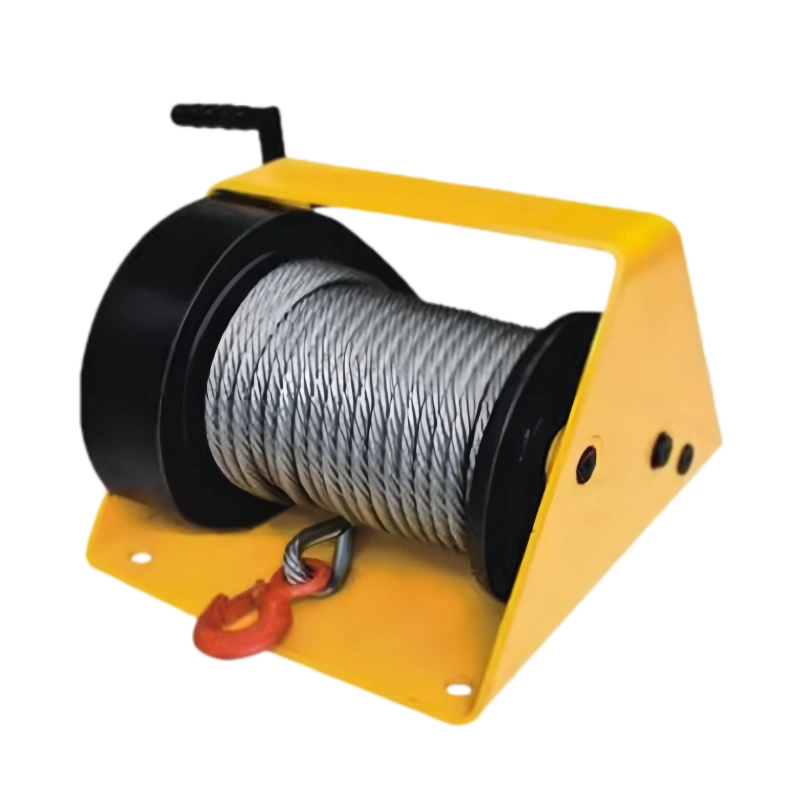
LEVER BLOCKS DRAWING

LEVER BLOCK CHAIN HOIST SPECIFICATIONS
| Model | SNT-3A | SNT-6A | SNT-6A | SNT-10A | SNT-12A |
| Rated traction(1) | 3 | 6 | 6 | 10 | 12 |
| Standard traction length(m) | 1. | 1.5 | 1.5 | 1.5 | 1.5 |
| Test load(m) | 36.8 | 73.5 | 73.5 | 123 | 147 |
| Chainpull to lift fullload(m) | 300/250 | 310×260 | 310/260 | 300/250 | 310/260 |
| Lifting chain specification(mm) | φ7.1X1 | φ7.1X2 | φ7.1X2 | φ7.1X4 | φ8.0X4 |
| Minimum distance between the two hooks is H(mm) | 420 | 535 | 535 | 650 | 660 |
| Main dimensions(mm) | 193 | 193 | 193 | 193 | 193 |
| 119 | 119 | 119 | 119 | 119 | |
| 129 | 175 | 175 | 275 | 325 | |
| 420/550 | 420/550 | 420/550 | 420/550 | 420/550 | |
| 31 | 39 | 39 | 45 | 50 | |
| 45 | 55 | 55 | 65 | 85 | |
| Net weight (kg) | 9.5 | 16 | 16 | 32 | 40 |
| Lifting height increases weight by 1 m(kg) | 1.1 | 2.2 | 2.2 | 4.4 | 5.5 |
Suitable for the construction of 1250mm² and 1520mm²
large-section conductors
FEATURES
-
Lightweight aluminum alloy housing for durability and corrosion resistance.
-
Dual ratchet pawls for high safety and smooth lifting operation.
-
360-degree rotating handle for flexible use in confined spaces.
-
Drop-forged steel suspension hooks with safety latches for load security.
-
Asbestos-free brake system allows load holding at any desired height.
-
Compact, portable design with high mechanical efficiency.
-
Environmentally friendly operation with no noise or pollution.
-
Complies with EN13157 and ISO9001 certification standards.
-
Low hand force required for operation, ideal for both light and heavy-duty tasks.
INSTRUCTIONS & CAUTIONS
Secure the Hoist Properly Before Use
Before using the SNT-A Lever Block, make sure it is securely mounted to a sturdy fixed point. Attach it to a solid overhead support, like a crane or lifting platform, to ensure stability. Double-check the load capacity and ensure it’s within safe limits for the hoist. Proper installation is crucial for safe operation, so don’t skip this important step.
Inspect the Load Chain and Hooks Regularly
Always inspect the load chain and hooks before use. Look for signs of wear, rust, or damage on the chain, as this can impact the hoist’s effectiveness. Check the hooks to make sure they are not bent, cracked, or showing any signs of wear. If any issues are spotted, replace damaged parts immediately to avoid safety risks.
Operate the Hoist Smoothly and Steadily
When using the lever block, make sure to operate it with controlled, steady movements. Avoid jerking or sudden pulls, as this can cause damage or make the load swing unexpectedly. The 360-degree rotating handle makes it easier to use in tight spaces, but be mindful of working within the hoist’s safe lifting capacity to maintain precise control during operation.
Perform Regular Maintenance and Lubrication
To get the most out of your SNT-A Lever Block, regular maintenance is key. After each use, clean the hoist to remove any dirt or debris that may have built up. Keep the moving parts—including the load chain, ratchet, and brake system—properly lubricated to avoid wear and maintain smooth operation. Proper care will extend the lifespan and performance of your hoist.
OUR ADVANTAGES
Reliable Quality and Safety Standards
At Powerful Machinery, we prioritize quality and safety above all else. Our products meet the highest industry standards, providing reliable performance in even the most demanding environments. We ensure strict quality control, using carefully selected materials to guarantee the durability and safety of our equipment. This commitment helps reduce downtime and increases operational efficiency for our clients.
One-Stop Sourcing and Custom Solutions
With Powerful Machinery, you get one-stop sourcing for all your lifting needs. Whether you need standard equipment or custom-engineered solutions, we’ve got you covered. We work closely with clients to understand their requirements and deliver tailored solutions that fit perfectly, helping you save time and avoid sourcing from multiple suppliers. Our flexible approach makes it easier to meet your unique demands.
Fast and Efficient Logistics
We understand the importance of timely delivery. Our efficient logistics system ensures that your orders arrive on time and in excellent condition. We minimize delays and optimize shipping, so you can count on us to keep your projects on track. With our global network, we ensure your business runs smoothly, no matter where you are or how urgent your needs are.
Exceptional After-Sales Support
Our dedication to customer satisfaction doesn’t stop at delivery. At Powerful Machinery, we provide exceptional after-sales support. From technical assistance to routine maintenance, our team is always ready to help. We’re committed to ensuring your equipment continues to perform at its best, maximizing uptime and value over its lifetime. Our expert team is just a call away whenever you need support.
FAQ
What is a Lever Block?
A lever block is a manual hoisting tool designed to lift or pull heavy loads using a lever mechanism. By pulling the lever, the ratchet system engages, moving the load chain to lift or pull the load. Unlike powered hoists, lever blocks don’t require electricity, making them ideal for remote sites and tight spaces where electricity isn’t available or practical.
How to Use Lever Block?
-
Secure the Lever Block:
Attach the lever block to a sturdy, fixed point to ensure stability before use. -
Attach the Load:
Safely position the load on the hook of the lever block to ensure it’s properly secured. -
Engage the Ratchet System:
Pull the lever to engage the ratchet mechanism, which will move the load chain to lift or pull the load. -
Check the Load Capacity:
Ensure that the load doesn’t exceed the hoist’s rated capacity to prevent damage or failure. -
Inspect for Damage:
Before use, always check for any signs of wear or damage on the hoist, load chain, or hooks to ensure safe operation.
Chain Block vs Lever Block: What’s the Difference?
-
Operating Mechanism:
-
A chain block operates by using a chain pull or motor to move heavy loads.
-
A lever block, on the other hand, relies on a lever to engage the ratchet mechanism.
-
-
Portability:
-
Lever blocks are more compact and portable, making them ideal for smaller-scale tasks and use in tight spaces.
-
Chain blocks are generally larger and are used for heavier-duty lifting tasks that require more power and capacity.
-
-
Applications:
-
Lever blocks are perfect for jobs where manual control and precision are needed in confined spaces.
-
Chain blocks are better suited for larger, more demanding lifting applications where higher lifting capacities are required.
-
What Are the Applications for a Lever Block?
Lever blocks are versatile tools used in various industries like construction, material handling, and manufacturing. They are perfect for applications such as small cranes, gantry cranes, and lifting platforms. If you’re working in confined spaces, or need a manual solution where electric power isn’t available, a lever block provides an easy, efficient solution for lifting or pulling loads.
What Are the Advantages of Using a Lever Block Over Other Hoists?
The lever block offers several advantages: it’s compact, portable, and requires no electricity, making it ideal for remote or outdoor locations. Unlike other hoists that require power, the lever mechanism makes it easy to operate with minimal effort. Plus, the precise control it offers allows for accurate load positioning even in tight spaces where other hoists might not fit.
How Does the Ratchet Mechanism in a Lever Block Work?
The ratchet mechanism in a lever block engages when the lever is pulled. This action turns the ratchet gear, which in turn moves the load chain. The dual pawl system ensures the load stays securely in place once lifted, and the free chain mechanism allows for easy adjustments. The lever provides precision and control, making the lifting process smooth and efficient.
How Do You Inspect a Lever Block Before Use?
-
Inspect the Load Chain:
Check the load chain for any damage, twists, or corrosion to ensure it is in good condition for safe operation. -
Examine the Hooks:
Look for wear, cracks, or deformation on the hooks. They should be intact to support the load properly. -
Test the Lever Mechanism:
Pull the lever to ensure the ratchet engages smoothly and operates correctly. This ensures the mechanism functions without obstruction. -
Check Lubrication:
Confirm that the moving parts are properly lubricated for smooth operation, reducing friction and wear. -
Verify Brake System:
Test the brake system to ensure it holds the load securely. A properly functioning brake is crucial for load control and safety. -
Regular Inspections:
Perform regular inspections before use to prevent accidents and ensure safe and efficient operation.
How Does a Lever Block Compare to a Hand Chain Hoist?
The main difference between a lever block and a hand chain hoist is the way they operate. While both are manual hoists, a lever block is more compact and ideal for tighter spaces. It’s also easier to operate with less force. A hand chain hoist, on the other hand, is better suited for larger lifting tasks and offers longer lift heights, but it’s typically bulkier than a lever block.
Can I Customize the SNT-A Lever Block for Specific Tasks?
Yes, the SNT-A Lever Block can be customized to meet your specific needs. Whether you require a different load capacity, custom chain length, or other features, we can tailor the hoist to fit your unique requirements. Contact us to discuss your specific lifting needs and get a customized solution that works best for you.