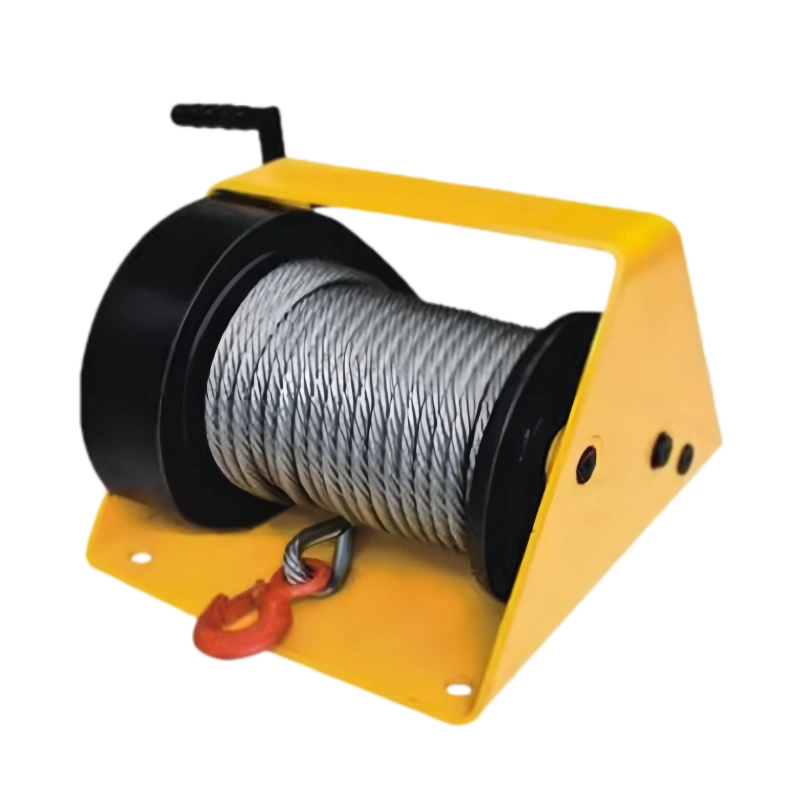
RATCHET ROPE PULLER SPECIFICATIONS
Model | Safe loud(t) | Wire diameter Xlength(mm) | size(mm) | Net weight(nw) |
| JHW-1000 | 1.0 | 5X2800 | 580 | 3.30 |
| JHW-1500 | 1.5 | 6X2800 | 680 | 4.35 |
| JHW-2000 | 2.0 | 6X2800 | 680 | 4.70 |
ROPE RATCHET PULLER FEATURES
-
Compact Structure: Easy to handle and ideal for narrow spaces.
-
Durable Materials: Made from high-quality carbon steel and high tensile steel, ensuring long-lasting performance.
-
360° Rotation: Provides flexibility and smooth operation, even in confined spaces.
-
Automatic Brake: Ensures safety during operation by preventing accidental release of the load.
-
Heavy Duty: Designed to handle heavy-duty tasks with ease, capable of lifting up to 3 tons.
-
High-Quality Gear Mechanism: Built with high-density gears and alloy steel components for superior performance.
-
Forward/Reverse Load Mechanism: Enables easy control of the load direction for precise lifting and pulling.
-
Galvanized Wire Rope: Provides rust resistance and durability for long-term use.
-
Test Certificate: Comes with a certification to ensure the product meets quality standards.
-
Lightweight and Portable: Easy to carry and use in a variety of applications, from construction to maintenance tasks.
INSTRUCTIONS & CAUTIONS
Proper Setup and Secure Mounting
Before using the JHW Ratchet Puller, ensure it is securely mounted to a stable, fixed point. Attach the load to the hook and double-check that it is properly aligned. This step is crucial for safe operation. Always use the puller on a solid surface to prevent accidental slipping or instability during lifting or pulling tasks.
Check Load Capacity
Verify the load capacity of the JHW Ratchet Puller before each use. Never exceed the maximum weight rating of the puller (usually up to 3 tons depending on the model). Overloading the tool can cause damage to the mechanism or lead to unsafe operation. Always refer to the product’s technical specifications and ensure that the load is within the rated limits.
Inspect Components Before Use
Inspect the ratchet mechanism, hooks, and wire rope for any signs of wear, damage, or corrosion before each operation. A thorough inspection will ensure the puller operates smoothly and safely. If any part appears to be damaged, do not use the puller until it is repaired or replaced. Regular maintenance is essential for maintaining performance and safety.
Safe Operation and Handling
When operating the JHW Ratchet Puller, always pull the lever slowly and steadily. Avoid jerking or abrupt movements, which can place undue stress on the mechanism and lead to failure. Also, ensure that your hands are safely clear of the load and moving parts. The 360° rotating handle offers flexibility, but always maintain a secure grip to prevent slippage or accidents.
OUR ADVANTAGES
Unmatched Quality & Safety Standards
At Powerful Machinery, we ensure that our products meet strict quality inspections and comply with international safety standards. This commitment guarantees reliability in demanding lifting environments. With our fully certified equipment, you can count on us to keep your operations safe and compliant.
One-Stop Sourcing for All Your Needs
We offer a one-stop sourcing solution for all your lifting equipment needs. Whether you're looking for custom-engineered solutions or standard products, we make sourcing efficient and straightforward. Our team supports your business with tailored equipment designed to meet your exact specifications.
Efficient Logistics & Fast Delivery
Our efficient logistics ensure that your products arrive on time, in excellent condition. We understand the need for timely delivery, so we work with trusted partners to fulfill your orders quickly and accurately. Whether it’s a large order or urgent request, we’re committed to delivering when you need it most.
Dedicated After-Sales Support & Service
We don’t just sell products – we stand by them with comprehensive after-sales service. Our expert team is available for installation, maintenance, and repairs, ensuring your equipment runs smoothly long after the sale. You can count on our industry-leading customer service to keep your operations on track.
FAQ
What is a Ratchet Puller?
A ratchet puller is a manual tool used for pulling, tightening, or lifting heavy loads with ease. It works by using a ratchet mechanism that engages when you pull the lever, making it perfect for tasks in tight spaces where other equipment can’t fit. Commonly used in industries like construction, automotive, and telecom, it’s a reliable, power-free solution.
How Does a Ratchet Puller Work?
A ratchet puller uses a lever to operate a ratchet mechanism that tightens the chain or wire rope, lifting or pulling the load in the desired direction. As you pull the lever, the mechanism engages, and the load is moved incrementally. It’s designed for precision, ensuring the load is moved safely, without the need for electrical power.
What Are the Benefits of Using a Ratchet Puller?
-
Compact & Easy to Use: Ratchet pullers are small and simple to operate, making them easy to transport and handle.
-
No Power Needed: These tools don’t rely on electricity or fuel, making them perfect for outdoor or remote locations.
-
Precise Control: The manual operation offers full control, even in confined spaces, for better safety and accuracy.
-
Cost-Effective: Their durable construction ensures a long lifespan, offering great value for money and reducing the need for frequent replacements.
How Do You Use a Ratchet Puller Safely?
-
Secure Attachment: Always attach the ratchet puller to a stable anchor point to ensure safety during use.
-
Check Load Capacity: Never exceed the puller’s rated capacity to avoid damage and ensure safe operation.
-
Inspect Regularly: Check for signs of damage, wear, or rust, especially on the ratchet mechanism and hooks.
-
Wear Safety Gear: Always wear appropriate protective equipment like gloves and eye protection when using the ratchet puller.
Can a Ratchet Puller Be Used for Vertical Lifting?
Yes, a ratchet puller can lift loads vertically, as long as the tool is securely anchored. It’s ideal for small vertical lifts or horizontal pulls in tight spaces, such as tight corners or hard-to-reach areas. For larger vertical lifts, however, you may want to consider a chain hoist, as it’s designed for heavy-duty vertical lifting.
How Do You Inspect a Ratchet Puller Before Use?
-
Inspect the Ropes/Chains: Check for any fraying, damage, or wear on the ropes or chains to ensure they are in good condition for use.
-
Examine the Load Hooks: Inspect the load hooks for cracks, wear, or any signs of damage that could affect the puller’s safety.
-
Test the Ratchet Mechanism: Ensure the ratchet mechanism operates smoothly and without any resistance or unusual noises.
-
Check the Brake System: Confirm that the brake system is functioning properly to hold the load securely when needed.
-
Clean the Tool: Ensure the puller is free of rust, dirt, or any debris that could interfere with its operation.
Are Ratchet Pullers More Efficient Than Winches?
In some situations, ratchet pullers can be more efficient than winches, especially in smaller or confined spaces. They are manual and require less maintenance than winches, which are often powered and require electrical or mechanical components. However, for larger lifting projects that require higher speed or continuous power, a winch might be a better choice.
How Do You Adjust the Tension on a Ratchet Puller?
-
Secure the Puller: Attach the ratchet puller to a fixed anchor point and connect the load securely.
-
Tighten the Load: To tighten the load, pull the lever to engage the ratchet mechanism, which will pull the load in the desired direction.
-
Release Tension: To release tension, disengage the ratchet by turning the lever in the opposite direction (reverse).
-
Check Before Adjusting: Always check the load’s position and the puller’s condition before making any adjustments to ensure safe operation.