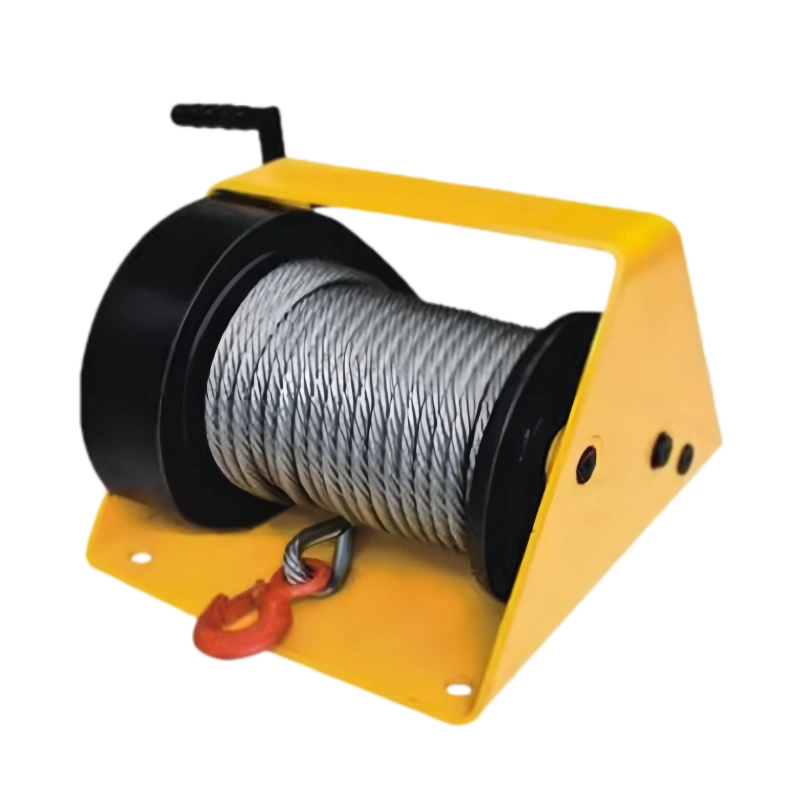
SPECIFICATIONS OF MANUAL HAND CHAIN BLOCKS
| Model | HSZ-T12 | HSZ-T1 | HSZ-T12 | HSZ-T2 | HSZ-T3 | HSZ-T5 | HSZ-T10 |
| Capacity(t) | 0.5 | 1 | 1.5 | 2 | 3 | 5 | 10 |
| Standard lift(m) | 2.5 | 2.5 | 2.5 | 3 | 3 | 3 | 3.5 |
| Test load(t) | 0.75 | 1.5 | 2.25 | 3 | 4.5 | 7.5 | 12.5 |
| Min.distance between hooks(mm) | 255 | 306 | 368 | 444 | 486 | 616 | 700 |
| Chainpull to lift full load(n) | 221 | 304 | 343 | 314 | 343 | 383 | 392 |
| No.of load chain fall lines | 1 | 1 | 1 | 2 | 2 | 2 | 4 |
| Diameter of load chain(mm) | 6 | 6 | 8 | 6 | 8 | 10 | 10 |
| Net weight(kg) | 8 | 10 | 16 | 14 | 24 | 36 | 68 |
| Gross Weight(kg) | 10 | 13 | 20 | 17 | 28 | 45 | 83 |
| Packing measurement L×W×H(cm) | 28×21×17 | 30×24×18 | 34×29×20 | 33×25×19 | 38×30×20 | 45×35×24 | 60×50×28 |
FEATURES OF MANUAL CHAIN BLOCK
Portable and manual operation for easy lifting in various industries
High-strength alloy lifting chains and galvanized hand chains for durability
Heat-treated, die-forged hooks for extended service life
Double pawl brake system for improved safety
Lightweight, compact design for easy handling and storage
Low maintenance, long-lasting performance
Ideal for use in outdoor or powerless environments
Versatile attachment options for trolleys, monorail systems, and cranes
INSTRUCTIONS & CAUTIONS
Select the Right Hand Chain Block
Choose the right chain block based on its lifting capacity, suspension type (hook or trolley), and the height of the lift. Most chain blocks are designed for vertical lifting. If you need to use it at an angle, additional precautions are required. For high-risk environments like those exposed to chemicals, water, or extreme temperatures, consult your supplier to ensure you’re using the right model.
Use the Manufacturer’s Approved Chain
Always use the chain specifically designed for your hand chain block. Lifting and rigging chains are not interchangeable with the hoist chain, which is made to fit the block’s system. Using the wrong chain can compromise safety and performance, so make sure to replace it only with the correct chain specified by the manufacturer.
Follow Proper Installation Procedures
When installing the hand chain block, ensure it’s securely mounted on a stable surface and follows the supplier’s instructions. Check that the brake works properly and that the chain moves freely without twists. The bottom hook should reach the lowest position needed without fully extending the chain, ensuring smooth, efficient operation.
Perform Regular Inspections and Maintenance
Regular inspections and maintenance are essential for the safe operation of your hand chain block. Lubricate the load chain as necessary and check the brake system to ensure it’s free from oil or grease. Always inspect the chain before use, and if you need to replace it, consult with the supplier to ensure compatibility with your block.
OUR ADVANTAGES
Custom Solutions for Your Business
We understand that every business is unique, and that's why we offer custom-engineered solutions designed to meet your specific needs. Whether it’s modifying existing equipment or creating entirely bespoke designs, we work closely with you to provide lifting solutions that maximize efficiency and meet your exact requirements.
Dedicated Support at Every Step
We take a hands-on approach to assist you throughout the entire process. From initial inquiries to product selection and installation, our team is committed to providing tailored support. You’ll always have access to fast, expert advice, ensuring smooth operations and minimizing downtime.
Efficient and Reliable Delivery
We know that getting your equipment on time is critical. Our streamlined logistics and trusted carrier partnerships ensure quick and reliable delivery, no matter the size of your order. With Powerful Machinery, you can count on timely shipments that help keep your operations running smoothly without unnecessary delays.
Comprehensive After-Sales Support
Our commitment to your business doesn’t stop after the sale. We offer thorough after-sales support, including maintenance advice, troubleshooting, and replacement parts when needed. Our expert team is always available to ensure your equipment continues to perform reliably, keeping your operations running at peak performance for years.
FAQ
What is a manual chain block used for?
A manual chain block, or hand chain hoist, is a versatile lifting tool used in a variety of industries, such as construction, manufacturing, and warehousing. It’s ideal for lifting heavy loads in areas without power sources, making it perfect for outdoor work or tight spaces. It’s commonly used for moving equipment, materials, or other heavy items where electricity isn’t available.
How do I use a chain block?
Secure the Hoist:
Attach the chain block securely to a stable overhead support, such as a beam or hook.Lift the Load:
Pull the hand chain to lift the load. Make sure to maintain a steady pull to avoid strain on the equipment.Check Chain Movement:
Ensure the chain moves smoothly and doesn’t twist. Twisting can cause damage or affect the efficiency of the hoist.Test the Brake Mechanism:
Make sure the brake works properly. The brake should hold the load in place when you stop pulling the hand chain.Inspect the Hoist:
Before use, always inspect the chain block for any signs of damage or wear. Ensure it’s in good working condition.Check the Load Capacity:
Never exceed the hoist’s rated load capacity. Always verify the weight of the load you’re lifting to ensure safe operation.
Chain Block vs Lever Block: What is the Difference Between?
Operation Method:
A chain block uses a hand chain to lift a load, ideal for vertical lifting.
A lever block uses a ratchet lever to lift, making it more compact and portable.
Lifting Capacity:
Chain blocks are designed to handle heavier loads and are more suitable for industrial or heavy-duty tasks.
Lever blocks are better for lighter lifting tasks and confined spaces.
Best Use Cases:
Chain blocks are perfect for vertical lifts, especially in industrial settings where heavy lifting is required.
Lever blocks are ideal for smaller tasks and spaces with limited room for equipment.
What is the Difference Between a Chain Block and a Ratchet?
Operation Method:
A chain block uses a continuous chain to lift the load, offering steady and controlled lifting.
A ratchet uses a turning handle or lever to raise and lower the load in small increments.
Lifting Capacity:
Chain blocks are better for heavier, industrial lifting tasks and are more suited for continuous lifting.
Ratchets are ideal for smaller, lighter loads where precise control is needed.
Best Use Cases:
Chain blocks are designed for lifting heavier loads in industrial environments.
Ratchets are often used for lighter, more delicate tasks or where more control over the load is needed.
Do you need to be trained to use a chain block?
It’s highly recommended to have basic training or knowledge before using a chain block. Understanding how to safely load, operate, and maintain the hoist reduces risks. While chain blocks are relatively easy to operate, knowing the correct procedures for safe lifting, inspecting the equipment, and understanding load capacities are essential for safe operation.
What are the different types of chain blocks?
Manual Chain Blocks:
Operated by hand, ideal for smaller lifting tasks.
Perfect for environments without access to power sources.
Suitable for lighter loads and confined spaces.
Powered by electricity, offering automated lifting for heavier tasks.
Designed for continuous use and larger lifting capacities.
Commonly used in industrial settings where power is available.
Pneumatic Chain Blocks:
Use compressed air to operate, making them ideal for hazardous environments.
Perfect for lifting in explosive or moisture-prone areas.
Often used in industries such as chemical, mining, and offshore applications.
What is the maximum lifting height of a chain block?
The maximum lifting height of a chain block depends on the length of the load chain. Most manual chain blocks offer lifting heights between 3 to 20 meters. If you need a higher lifting height, you can opt for models with longer chains or specialized lifting mechanisms. Always select a hoist with an appropriate lifting height to match your specific requirements.